



You've probably experienced it before: a creeping wave of nausea, a dull headache, and a strange sense of disorientation after a long session of scrolling, gaming, or video calls. That's cybersickness, and it's more common than most people realize. Understanding what triggers it, and how protective eyewear can help, is the first step toward feeling better at your screen.
In this article:
What Is Cybersickness and What Causes It?
Cybersickness, also called screen sickness or digital motion sickness, is a form of visually induced motion sickness triggered by a mismatch between what your eyes see and what your body senses.
Your visual system detects intense movement on a digital screen, such as fast scrolling, immersive video, or rapid window switching, while your vestibular system (the inner ear's balance mechanism) and proprioceptive system (your body's sense of position) register that you're completely still.
Your brain receives two conflicting signals and responds with disorientation, nausea, and fatigue. Research on sensory conflict theory, including studies using motion-coupled virtual reality systems, has confirmed this mechanism: when your visual input doesn't match your body's equilibrium signals, the brain interprets the mismatch as a threat and triggers a protective response.
Additional factors that compound this conflict include high-intensity blue light emitted by screens, screen flicker and refresh rate inconsistencies, and the sustained near-focus demand of close-range screen work. These elements intensify visual fatigue and increase the likelihood of a cybersickness episode.

Recognizing Key Cybersickness Symptoms
Cybersickness symptoms can range from mild discomfort to symptoms that make it difficult to continue working. Knowing the signs helps you take action before they escalate.
Physical Symptoms
-
Nausea: often the earliest and most recognizable sign, ranging from mild queasiness to the urge to vomit
-
Dizziness or lightheadedness: a spinning or floating sensation that lingers even after you look away from the screen
-
Headache: typically a tension-type ache around the temples or forehead, often worsened by neck and shoulder strain
-
Flushing and sweating: your body's autonomic response to perceived sensory threat
Visual Symptoms
-
Eye strain and fatigue: a heavy, burning, or tired feeling in the eyes after prolonged screen time
-
Blurry or double vision: difficulty refocusing when shifting your gaze from screen to surroundings
-
Dry or irritated eyes: reduced blinking during screen use leaves the eye surface insufficiently lubricated
Cognitive and Neurological Symptoms
-
Disorientation: a persistent sense that your surroundings feel slightly off, even after stepping away from the screen
-
Drowsiness or difficulty concentrating: the cognitive load of resolving conflicting sensory signals drains mental resources quickly
People who spend long hours on screens, including remote workers, gamers, and students, are particularly vulnerable. Blue light exposure amplifies several of these symptoms by overstimulating intrinsically photosensitive retinal ganglion cells, increasing activity in the trigeminovascular system and disrupting sleep-related melatonin production, according to a 2025 editorial published in Cureus.
How Long Can Cybersickness Last?
Cybersickness symptoms typically resolve within one to two hours for most people, but recovery time varies significantly based on how severe the episode was, how long the trigger exposure lasted, and individual sensitivity. In more intense cases, symptoms including disorientation, headache, and oculomotor fatigue can persist well beyond that window.
A 2025 study published on arXiv found that participants still showed elevated stress markers and lingering disorientation up to 90 minutes after exposure, with roughly 14% of participants still reporting strong after-effects at the 40-minute mark. The research also showed that the more severe the initial episode, the longer recovery tends to take.
For many screen workers, cybersickness doesn't hit dramatically, it accumulates gradually and lingers as a foggy, off-balance feeling that persists through the afternoon. Reducing visual strain before symptoms peak is key to shortening recovery time. For more on how eye strain contributes to lingering discomfort, read our guide on whether blue light glasses help with headaches.
Do Cybersickness Blue Light Blocking Glasses Actually Work?
Blue light blocking glasses can play a meaningful role in reducing cybersickness by addressing one of the key physiological triggers: the high-intensity blue light spectrum emitted by digital screens.
By filtering short-wavelength blue light, these lenses reduce the overstimulation of the retinal ganglion cells involved in the trigeminovascular pathway, which is directly implicated in screen-related headache and nausea.
A 2022 clinical study published in Internal Medicine found that blue light blocking glasses worn consistently over four weeks significantly reduced both the frequency and intensity of headache episodes, as well as photophobia, in patients with light sensitivity.
A separate 2025 Cureus study of 186 adults who wore blue light filtering lenses for 12 months or more found that 85% experienced improvement in at least one symptom, with photophobia reduced in over 61% of regular wearers.
Cybersickness blue light blocking glasses work best as part of a broader visual hygiene approach rather than a standalone fix. They reduce one major source of sensory overload, making it easier for your visual and vestibular systems to stay in balance during extended screen use.
For a deeper look at how these lenses are engineered, see our article on what blue light glasses actually do.
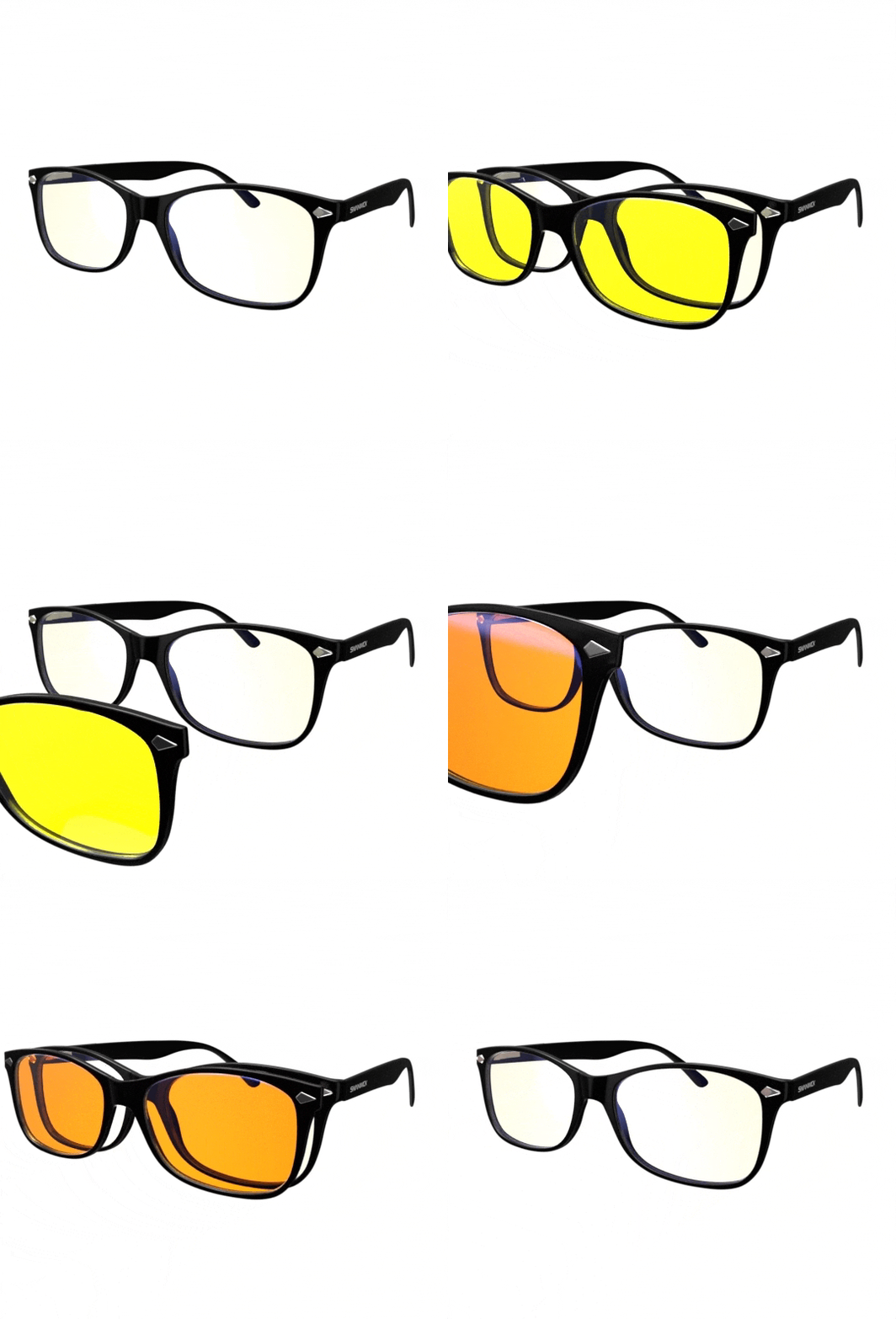
Swanwick's precision blue light filtering lenses are calibrated to target the most disruptive wavelengths while maintaining color accuracy, so your screen remains clear and usable throughout your workday.

Tips to Prevent Cybersickness and Digital Eye Fatigue
Wearing protective eyewear is one part of the picture. Pairing it with deliberate screen habits gives your visual system the best chance of staying stable throughout the day.
-
Follow the 20-20-20 Rule: Every 20 minutes, look at a static object at least 20 feet away for 20 seconds. This resets your focal distance and gives the eye muscles a chance to recover. A 2025 study found that consistent adherence to the 20-20-20 rule was a significant predictor of symptom improvement in long-term blue light lens users.
-
Slow Down On-Screen Motion: Reduce scroll speed on your device settings, disable parallax wallpaper animations, and turn off high-motion visual effects in accessibility settings. Minimizing rapid visual movement reduces the sensory mismatch that triggers cybersickness.
-
Wear Precision Blue Light Lenses: Use calibrated, anti-reflective blue light blocking glasses during any sustained screen session, particularly in multi-monitor setups or during dynamic content like video editing, gaming, or long video calls.
-
Optimize Lighting and Contrast: Avoid extreme contrast between a bright screen and a dark room. Ambient lighting that roughly matches your screen's brightness reduces the visual stress your eyes have to compensate for.
-
Take Structured Sensory Breaks: Step away from screens entirely for at least 10 minutes every hour. During breaks, avoid looking at any secondary screen, including your phone. If symptoms appear, close your eyes and sit still to allow your vestibular system to recalibrate.
-
Limit Evening Screen Time: Avoid screen use for at least two hours before bed. Evening blue light exposure suppresses melatonin and delays your body clock, which compounds the cognitive fatigue that makes cybersickness worse the following day.
Cybersickness is a real physiological response, not a matter of willpower or screen tolerance. The more proactively you manage your visual environment and reduce sensory overload, the less likely it is to interrupt your day.
Explore Swanwick's range of daytime blue light blocking glasses to find the right lens for your screen setup.


