
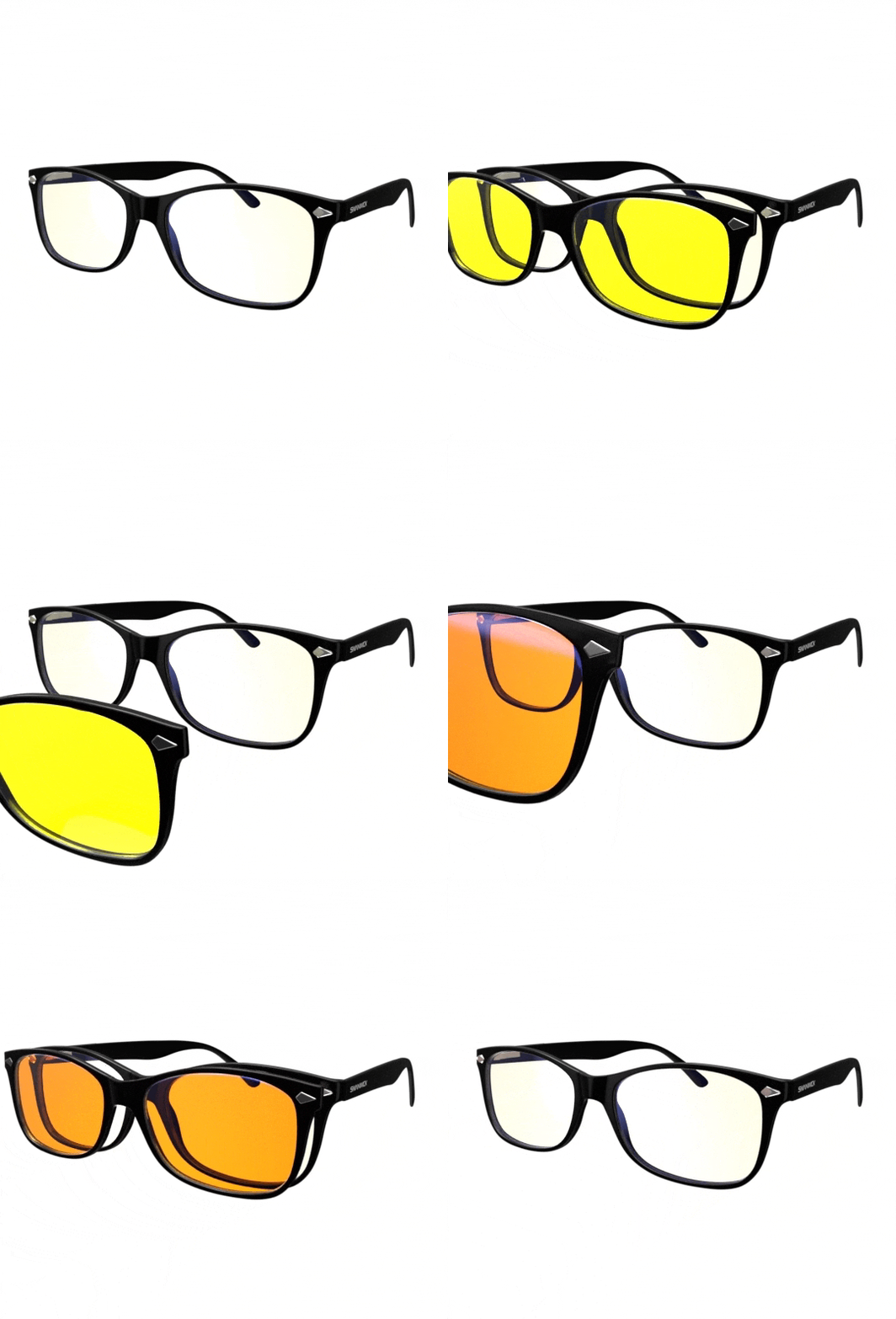



Thank You for Choosing Swanwick
About your Swannies frames
- Swannies frames are made from premium cellulose acetate, the industry standard for premium eyewear.* Acetate is a BPA-free plastic derived from natural materials including wood pulp and cotton fiber.
- As your glasses will be coming into contact with your face for long periods of time, acetate is a great non-toxic alternative to petroleum-based plastics and is hypoallergenic, providing a more natural feel for your skin.
- Acetate is also a malleable plastic which can be heated and reshaped multiple times.
- Like many personal products, regular maintenance will keep your Swannies in tip-top shape.
* Exceptions: Fitovers (TR-90 frames) and metal-based frames.
Care Instructions
- As acetate is a soft plastic, it can become misshapen by exposure to high temperatures and regular use.
- Please keep your Swannies in a cool, dry place. Do not leave in a hot car, for example.
- If your acetate Swannies appear to be uneven, you can follow the video below to re-adjust them, or you can also take them to an optometrist or eyewear store for readjustment by a professional, many will do this free of charge or for a nominal fee.
- Clean your Swannies lenses with a clean, lens cleaning cloth and lens-cleaning spray. Swannies can also be washed in warm soapy water.
- Do not expose your Swannies to harsh chemicals as this may strip the special coatings on the lenses.

Adjusting Acetate Swannies
Check out this video guide to learn how to get the perfect fit from your Swannies .

Adjusting Nose Pads
Check out this video guide to learn how to maximise your Swannies comfort levels.
Swannies Articles
Why Do Blue Light Glasses Hurt My Eyes? Potential Causes & Quick Fixes
Good blue light glasses don't hurt your eyes. If yours are causing discomfort, headaches, or strain, something specific is causing it, and it's almost always fixable. The problem is usually...
Can you wear blue light glasses with contacts
If you wear contact lenses and spend most of your day on screens, you're likely dealing with a specific kind of eye fatigue that gets worse as the day goes...

How to choose the best blue light reading glasses
Reading glasses solve one problem: getting small text into focus. But for most people today, the reading that matters most happens on a backlit screen at close range, for hours...


