



Most people think about eye health in terms of what they should eat more of. But what you cut out matters just as much.
The wrong diet doesn't just affect your waistline or your heart. It degrades the microscopic blood vessels that keep your retina alive, accelerates lens damage that leads to cataracts, and leaves your eyes more vulnerable to the oxidative stress that drives long-term vision loss.
Here's what the research says about which foods are doing the most damage, and what to do about it.

In this article:
-
What Are the Worst Foods for Eye Health?
-
The Systemic Connection: How Diet Directly Impacts Vision
-
The Top Dietary Offenders for Your Eyes
-
Metabolic Strain and Digital Defenses: A Compounding Threat
-
Protecting Your Vision: Smarter Nutritional Swaps
What Are the Worst Foods for Eye Health?
The worst foods for your eyes are those high in refined sugars, trans fats, sodium, and highly processed preservatives. These ingredients drive chronic inflammation and oxidative stress throughout the body, and the eyes are particularly vulnerable to that damage because of how metabolically active and vascularly dependent they are.
The American Macular Degeneration Foundation identifies processed snack foods including potato chips, french fries, cakes, cookies, and soft drinks as dietary risk factors for age-related macular degeneration (AMD).
The American Academy of Ophthalmology similarly found that people with AMD more often ate fast food, ready-made meals, dairy products, and meat compared to those without the condition.
The pattern is consistent: highly processed, inflammation-driving food habits correlate directly with worse eye health outcomes. The specific mechanisms behind that pattern are worth understanding.
The Systemic Connection: How Diet Directly Impacts Vision
Your eyes depend on an intricate network of microscopic blood vessels to deliver oxygen and nutrients to the retina, lens, and optic nerve. These micro-vessels are among the most fragile in the body. They're the first to show damage when systemic health deteriorates.
Foods that drive high blood pressure restrict and harden these vessels over time, reducing oxygen delivery to retinal tissue. Foods that spike blood sugar damage the vessel walls directly, which is the primary mechanism behind diabetic retinopathy.
Foods high in oxidized fats increase free radical activity throughout the retina, accelerating cell damage in the macula.
Research published in NIH/PMC shows that high-fat diets contribute to AMD pathogenesis through increased reactive oxygen species, retinal inflammation, and oxidative stress at the retinal level. The eyes don't exist in isolation from the rest of your metabolic health. They reflect it.
The conditions most directly linked to poor diet and poor eye health are AMD (the leading cause of irreversible vision loss in adults over 65), cataracts, and diabetic retinopathy. All three have strong dietary risk factors that are modifiable.
The Top Dietary Offenders for Your Eyes
These are the specific food categories doing the most damage to your visual system.
Refined Carbohydrates and Sugary Beverages
White bread, pastries, white rice, and sugary drinks cause rapid spikes in blood glucose and insulin. Over time, chronically elevated blood sugar damages the delicate crystalline lens of the eye through a process called glycation, where sugar molecules bind to proteins in the lens and cause them to cloud. This is one of the primary drivers of cataract formation.
High glycemic diets are also linked to increased AMD risk. The insulin spikes they trigger promote inflammation and oxidative stress in retinal tissue, compounding damage over years of repeated exposure.
Deep-Fried Foods and Trans Fats
Commercial fried foods (french fries, potato chips, fried chicken) are high in oxidized fats that interfere with cellular function in the retina and drive free radical damage.
The American Macular Degeneration Foundation specifically names french fries and potato chips among the dietary risk factors most consistently associated with advanced AMD.
Trans fats, found in partially hydrogenated oils and many processed snack foods, also interfere with the body's ability to use omega-3 fatty acids effectively. Since omega-3s are critical structural components of the retina, anything that blocks their uptake compounds the damage.
High-Sodium Processed Meats
Deli meats, bacon, hot dogs, and canned processed foods are among the highest-sodium items in the average diet. Excessive sodium intake drives blood pressure upward, and persistently high blood pressure restricts the small blood vessels supplying the eyes.
Over time, this can cause hypertensive retinopathy: damage to the retinal blood vessels from sustained pressure that can result in blurred vision, bleeding in the eye, and in severe cases, vision loss.
Sodium also contributes to fluid retention around the eye, which can temporarily distort vision and put additional mechanical pressure on delicate structures.

Metabolic Strain and Digital Defenses: A Compounding Threat
Diet-driven inflammation and oxidative stress don't just damage the eye in isolation. They lower its resilience against other stressors. And for most people today, one of the most consistent additional stressors is prolonged digital screen exposure.
Blue light from screens generates additional oxidative stress at the retinal level, compounding the damage already being done by a poor diet. When the retina is already operating under inflammatory conditions from a high-sugar, high-fat dietary pattern, its ability to neutralize that additional oxidative load is significantly reduced. The two stressors amplify each other.
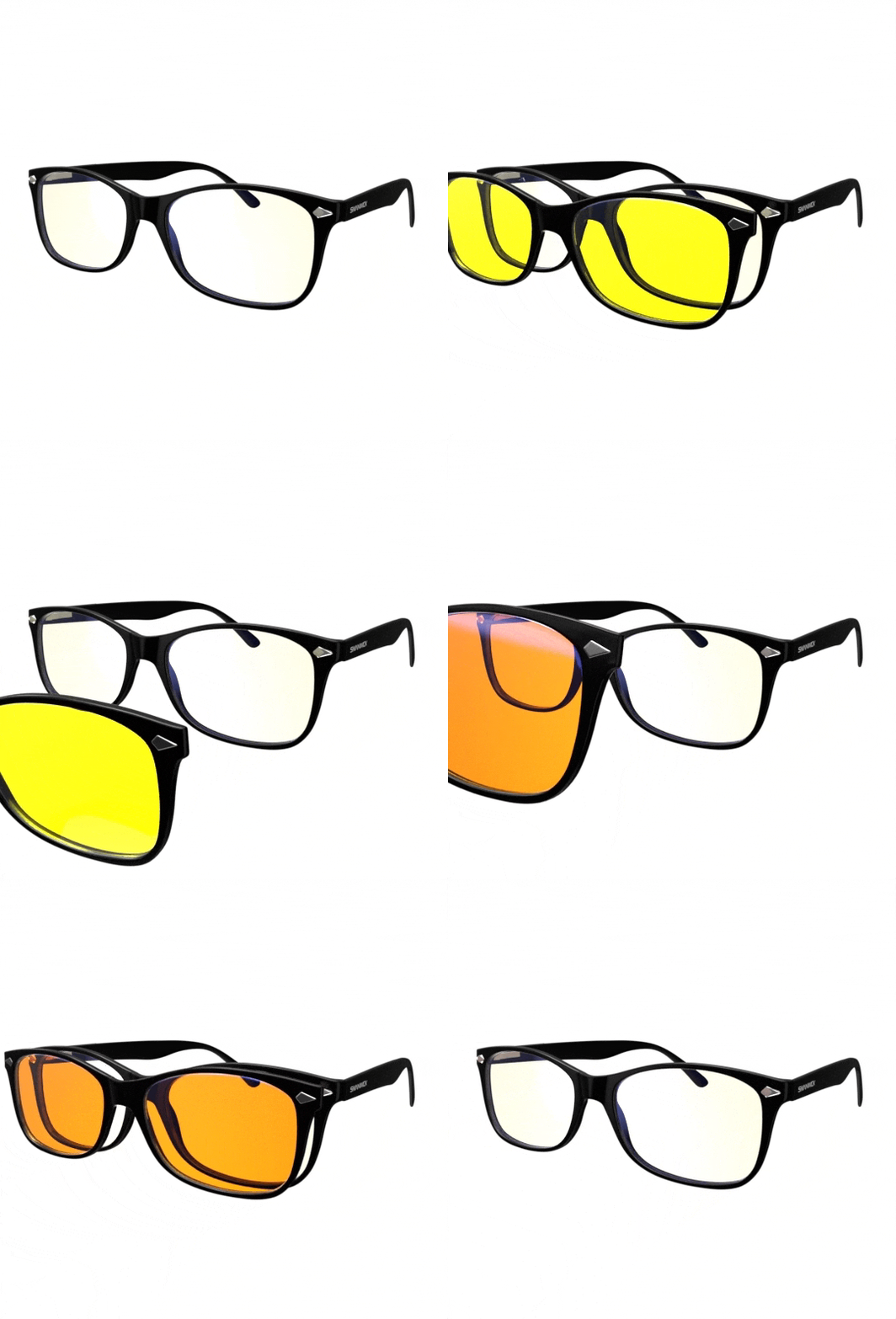
This is where active light management becomes part of the equation alongside diet. Our guide to what blue light glasses do explains the filtering mechanics in detail, but the core point is this: optical filters reduce the photic load reaching a retina that's already under dietary stress. They're not a substitute for better food choices, but they're a meaningful part of a complete eye health strategy.
Protecting your eyes in the modern environment means managing both inputs: what you eat and what you expose your eyes to. Improving one without addressing the other leaves half the problem unsolved.
Protecting Your Vision: Smarter Nutritional Swaps
The damage done by a poor diet is real, but so is the body's capacity to respond to better inputs. Most of the dietary risk factors for eye disease are modifiable. The AAO notes that following a Mediterranean-style diet can lower the rate of AMD progression by 25% or more in people who already have or are at risk for the condition. That's a meaningful number from a straightforward dietary shift.
Here are the most direct swaps:
-
White bread and refined grains: swap for whole grain alternatives (oats, brown rice, whole wheat). Lower glycemic load means less blood sugar spiking and less lens damage over time.
-
Sugary drinks: swap for water, herbal tea, or sparkling water. Eliminating liquid sugar is one of the fastest ways to reduce daily glycemic load.
-
Fried snacks and chips: swap for nuts and seeds (almonds, walnuts, flaxseed). You get healthy fats and Vitamin E instead of oxidized oils.
-
Processed deli meats: swap for oily fish (salmon, sardines, mackerel) twice a week. Omega-3 DHA is a structural component of the retina and is directly protective against AMD.
-
Fast food and ready meals: swap for meals built around dark leafy greens, legumes, and whole foods. Lutein and zeaxanthin in greens like kale and spinach directly filter blue light in the macula.
For a full breakdown of the specific foods, vitamins, and nutrients that actively support eye health, our guide to foods for eye health covers everything you need to build a vision-supportive diet from the ground up.


