



What you eat shapes how your eyes function, how long they stay sharp, and how well they hold up against the daily strain of screens, artificial light, and close-range focus.
Most people think about eye health only when something goes wrong. The smarter move is treating it like any other system in the body: fuel it well and it performs better.
This guide covers the science behind nutrition and eye health, the eight best foods to add to your diet, the vitamins that matter most, and what else you need to protect your vision in a screen-heavy world.

In this article:
The Science Behind Nutrition and Eye Vision
The retina is one of the most metabolically active tissues in the body. It has high energy demands, constant exposure to light-induced oxidative stress, and almost no ability to repair itself once damaged. What you eat directly affects its ability to function and hold up over time.
A diet rich in antioxidants, omega-3 fatty acids, and key vitamins has been shown to reduce the risk of age-related macular degeneration (AMD), improve tear film stability, and support the photoreceptors responsible for sharp, detailed vision.
The Age-Related Eye Disease Study (AREDS2), one of the largest clinical trials on eye nutrition, found that specific nutrient combinations significantly reduced the risk of AMD progression in high-risk individuals.
To be clear: a great diet won't reverse genetic refractive errors or undo structural damage. But it is one of the most powerful levers you have for preserving eye stamina, reducing dryness, and protecting long-term visual longevity.
The American Academy of Ophthalmology and its clinical nutrition guidance both support dietary intervention as a meaningful strategy for reducing age-related vision decline.
Nutrition works best alongside other habits. If you're looking to build a fuller eye health routine, pairing a strong diet with targeted eye exercises to improve sight gives your visual system both the fuel and the conditioning it needs.
The Best Nutritious Foods to Eat for Eye Health
These eight foods are among the most researched for vision support. Most are easy to find, easy to cook with, and easy to build into a regular diet without overhauling how you eat.
1. Leafy Greens (Spinach, Kale, Collard Greens)
Leafy greens are the most consistently studied food for eye health. They're dense in lutein and zeaxanthin, two carotenoids that concentrate in the macula and act as a natural filter against high-energy blue light and UV radiation.
Higher intake of lutein and zeaxanthin is associated with a significantly reduced risk of AMD and cataracts. A cup of cooked kale delivers more than 20mg of lutein, well above the amounts used in most clinical studies. Add it to smoothies, eggs, or a side dish and you're covered.
2. Fatty Fish (Salmon, Sardines, Mackerel)
Fatty fish are the best dietary source of DHA, an omega-3 fatty acid that makes up a significant portion of the retina's structural fat. Low DHA levels are linked to dry eye syndrome and accelerated retinal aging.
For screen-heavy workers, the anti-inflammatory properties of omega-3s also help with the chronic low-grade inflammation that contributes to digital eye fatigue. Two servings of fatty fish per week is a practical, well-supported target.
3. Eggs
Eggs are an underrated eye food. The yolk contains lutein, zeaxanthin, and zinc, all in a highly bioavailable form. Compared to plant sources, the fat content of egg yolk actually improves how well the body absorbs these nutrients.
They're also one of the easiest foods to eat daily. Two eggs at breakfast is a simple, consistent way to load up on the carotenoids your macula depends on.
4. Carrots and Sweet Potatoes
The connection between carrots and good vision isn't a myth. Both carrots and sweet potatoes are rich in beta-carotene, a precursor to Vitamin A that the body converts as needed. Vitamin A is essential for producing rhodopsin, the pigment in rod cells that enables low-light and peripheral vision.
Deficiency in Vitamin A is one of the leading causes of preventable blindness globally. In well-nourished populations the risk is low, but maintaining good intake actively supports night vision and the health of the corneal surface.
5. Citrus Fruits and Bell Peppers
Vitamin C is one of the primary antioxidants in the lens of the eye. It helps neutralize the oxidative damage caused by UV exposure and, over time, plays a role in slowing cataract formation. The eye actually maintains a higher concentration of Vitamin C than most other tissues in the body.
Bell peppers (especially red) contain more Vitamin C per serving than oranges. Either works. The goal is consistent daily intake, not large single doses.
6. Nuts and Seeds (Almonds, Walnuts, Flaxseed)
Almonds are one of the best food sources of Vitamin E, a fat-soluble antioxidant that protects eye cell membranes from oxidative stress. Walnuts and flaxseed add plant-based omega-3s (ALA), which support tear film health and reduce inflammation.
A small handful of mixed nuts daily covers a meaningful portion of your Vitamin E needs without much effort. It's one of the easiest upgrades to make.
7. Oysters and Lean Meat
Zinc is the mineral that transports Vitamin A from the liver to the retina, where it produces protective melanin pigment. Without adequate zinc, even a strong Vitamin A intake can't fully do its job.
Oysters contain more zinc per serving than almost any other food. Lean beef and chicken are solid everyday alternatives. If you eat a varied diet that includes meat, zinc deficiency is unlikely; but it's worth knowing which foods deliver it most efficiently.
8. Legumes (Black Beans, Lentils, Kidney Beans)
Legumes are another strong source of zinc and bioflavonoids, plant compounds that support retinal blood vessel health and improve how the eye adapts to light changes.
They're also high in fiber, which helps regulate blood sugar; a relevant benefit given that high blood sugar is one of the primary drivers of diabetic retinopathy.
For plant-based eaters, legumes are an essential part of a vision-supportive diet. Pair them with Vitamin C-rich foods to improve zinc absorption.

Essential Vitamins: The Power of Vitamin A-Rich Foods
Of all the nutrients that support eye health, Vitamin A is the most foundational. It's required for the production of rhodopsin (the light-sensitive protein in rod cells), the maintenance of the corneal surface, and the stability of the tear film. Without it, night vision deteriorates first; prolonged deficiency leads to serious structural damage.
The best Vitamin A-rich foods for eyes fall into two categories: preformed Vitamin A (retinol), found in animal products like liver, eggs, and dairy; and provitamin A carotenoids (primarily beta-carotene), found in orange and yellow vegetables and dark leafy greens. The body converts beta-carotene to Vitamin A as needed, making plant sources a safe and flexible way to maintain good levels.
Vitamin A doesn't work alone. The other vitamins that matter most for visual longevity:
-
Vitamin C: protects the lens from UV-induced oxidative damage; found in citrus, peppers, and broccoli
-
Vitamin E: shields cell membranes in the retina and lens; found in nuts, seeds, and vegetable oils
-
Lutein and Zeaxanthin: filter damaging blue light and protect the macula; found in leafy greens and egg yolk
-
Omega-3 (DHA): structural support for the retina and tear film; found in fatty fish and algae-based supplements
The NHS recommends 700mcg of Vitamin A daily for men and 600mcg for women. Most people eating a varied diet that includes vegetables, dairy, or meat will hit these levels without supplementing. If your diet is restricted or heavily processed, a daily multivitamin with Vitamin A and C is a reasonable fallback.
Beyond Nutrition: Holistic Habits for Eye Health
Eating well for your eyes is a strong foundation. But internal nutrition only goes so far if the external environment keeps working against you. For most screen-heavy workers, the biggest unmanaged stressor isn't diet; it's light.
Artificial blue light from screens and LED lighting generates oxidative stress in the retina over time. At night, it suppresses melatonin production, disrupts sleep, and prevents the deep recovery your eyes need to repair the day's damage. A diet high in antioxidants helps buffer that stress. It doesn't eliminate it.
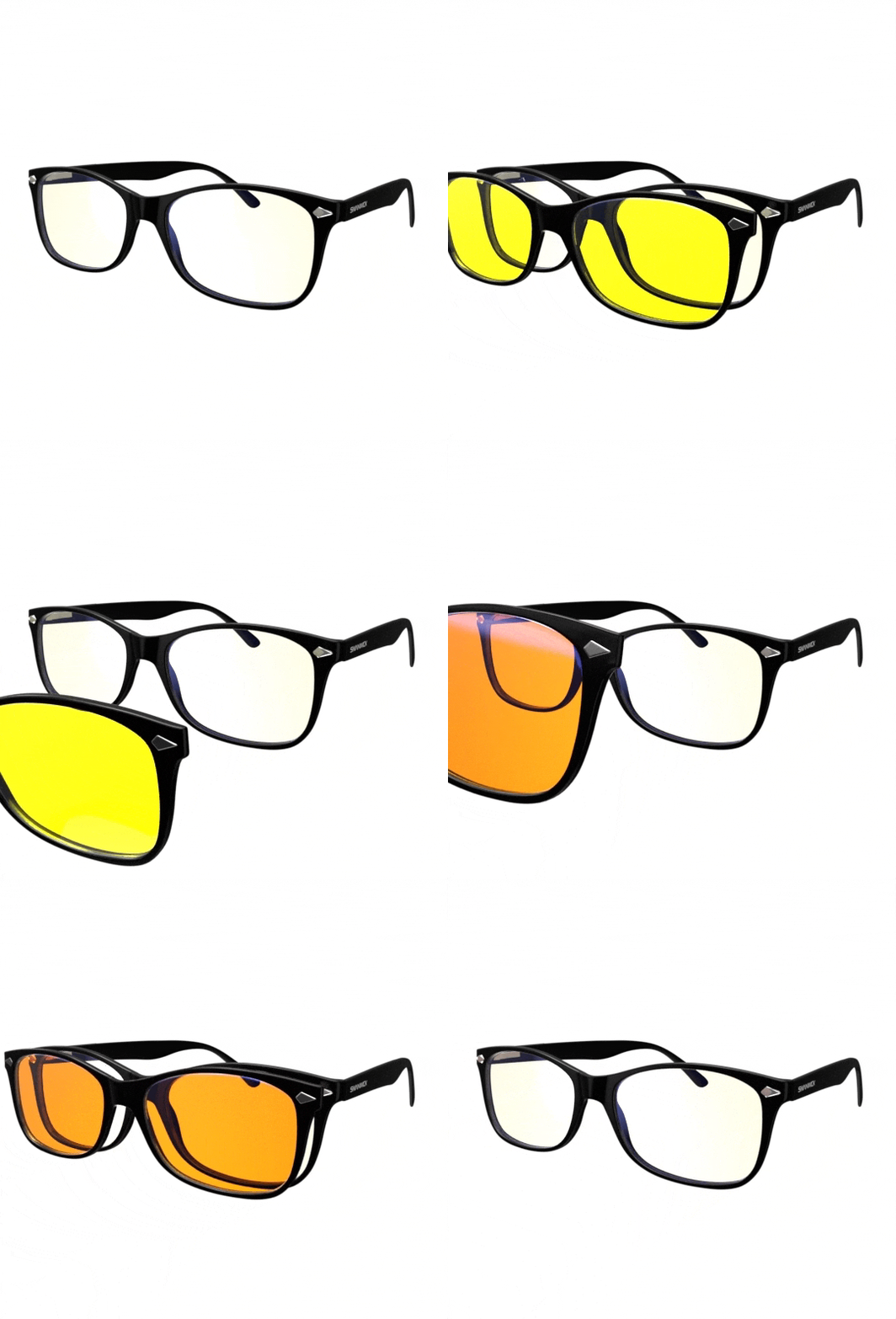
The practical answer is pairing good nutrition with light management. During the day, Focus Swannies filter the high-energy blue wavelengths linked to eye strain and retinal fatigue, without affecting color clarity or alertness.
In the evening, Sleep Swannies block the spectrum that suppresses melatonin, protecting the overnight recovery window your retina depends on.
Think of it as inside-out eye care. The nutrients you eat build and protect the structure. The light you filter determines how hard that structure has to work. Both matter.
What you eat builds the foundation. What you filter protects it.


